Ultimate Guide to Bed Bug Heat Treatment: Equipment, Techniques, and Inspection Tips
The "Comprehensive Guide to Bed Bug Heat Treatment" details a well-structured approach to eliminating these nuisances through efficient thermal application. It emphasizes the importance of dedicated machinery and detailed assessments to ensure effective results. Acknowledging the complexities involved in this technique is also essential. As property owners look for permanent fixes, the manual offers practical insights that could reshape how they address bed bug issues. What measures are necessary to successfully apply this method?
Why Heat Treatment Is Effective Against Bed Bugs
Thermal treatment stands as a potent tool in the battle against bed bugs. This method effectively raises the temperature of infested spaces to levels that are lethal to these pests. Bed bugs and their eggs cannot endure exposure to temperatures above 118°F (48°C) for a continuous period. As the heat moves through furniture, walls, and bedding, it interferes with the insects' biological processes, ultimately leading to their demise.
Additionally, heat treatment offers the benefit of treating several life stages of bed bugs at the same time. Unlike chemical treatments, which may leave behind resistant populations, heat confirms that even concealed eggs are destroyed. This comprehensive method lowers the likelihood of recurring infestations. Furthermore, heat treatment decreases the need for dangerous pesticides, making it a more secure option for homes. As a result, many pest control professionals favor this method for its proven results and practicality in tackling bed bug outbreaks.
Important Equipment for Bed Bug Heat Treatment
Proper bed bug heat treatment demands specific tools and equipment to ensure effectiveness. Critical elements consist of multiple heat sources, temperature tracking devices, and necessary safety gear. All of these elements are fundamental in creating the ideal conditions for removing bed bugs in a safe and efficient manner.
Heat Sources Overview
Various view this heat sources are vital for properly handling bed bug infestations. Portable heat units, electric heaters, and gas-powered heaters are widely used throughout the treatment process. Electric heaters provide steady, manageable heat levels and are ideal for indoor spaces. Gas-powered heaters, on the other hand, offer enhanced portability and can be used in locations lacking electrical connections. Portable heat units are flexible, facilitating targeted treatment of specific infested items like furniture and clothing. All heat sources must be able to reach and sustain temperatures beyond the lethal limit for bed bugs, typically around 118°F (48°C). Identifying the proper heat source is fundamental to achieving effective and reliable outcomes in any bed bug removal approach.
Temperature Measurement Tools
Effective bed bug heat treatment depends not only on appropriate heat sources but also on accurate temperature monitoring equipment. Precise temperature measurements are critical to ensure that affected areas achieve and sustain deadly temperatures for bed bugs. Infrared thermometers are frequently utilized for rapid surface temperature assessments, while data loggers provide continuous temperature monitoring throughout the treatment process. Thermal imaging cameras can also identify temperature variances, revealing cold spots that could harbor bed bugs. Furthermore, probe thermometers assist in gauging temperatures inside walls, furniture, and other inaccessible locations. Utilizing a variety of these instruments improves treatment efficiency, guaranteeing that all possible hiding places are sufficiently heated to eliminate bed bugs and their eggs.
Safety Gear Essentials
Safety equipment is essential during bed bug heat treatment to ensure the safety of both the operator and the space being treated. Technicians are advised to use heat-resistant gloves to prevent burns while handling equipment and treated items. Moreover, heat-resistant coveralls can provide an extra layer of protection against high temperatures. Respirators play a key role in defending against harmful vapors emitted during treatment, ensuring respiratory safety. Protective eyewear, including safety goggles, must be used to guard against heat exposure and debris. Having a fire extinguisher accessible is critical for handling any sudden or unexpected situations. Finally, appropriate footwear, ideally non-slip and heat-resistant, helps reduce the risk of accidents in dangerous settings while promoting steadiness and protection across all stages of the treatment.
Pre-Treatment Inspection: Critical Steps for Success
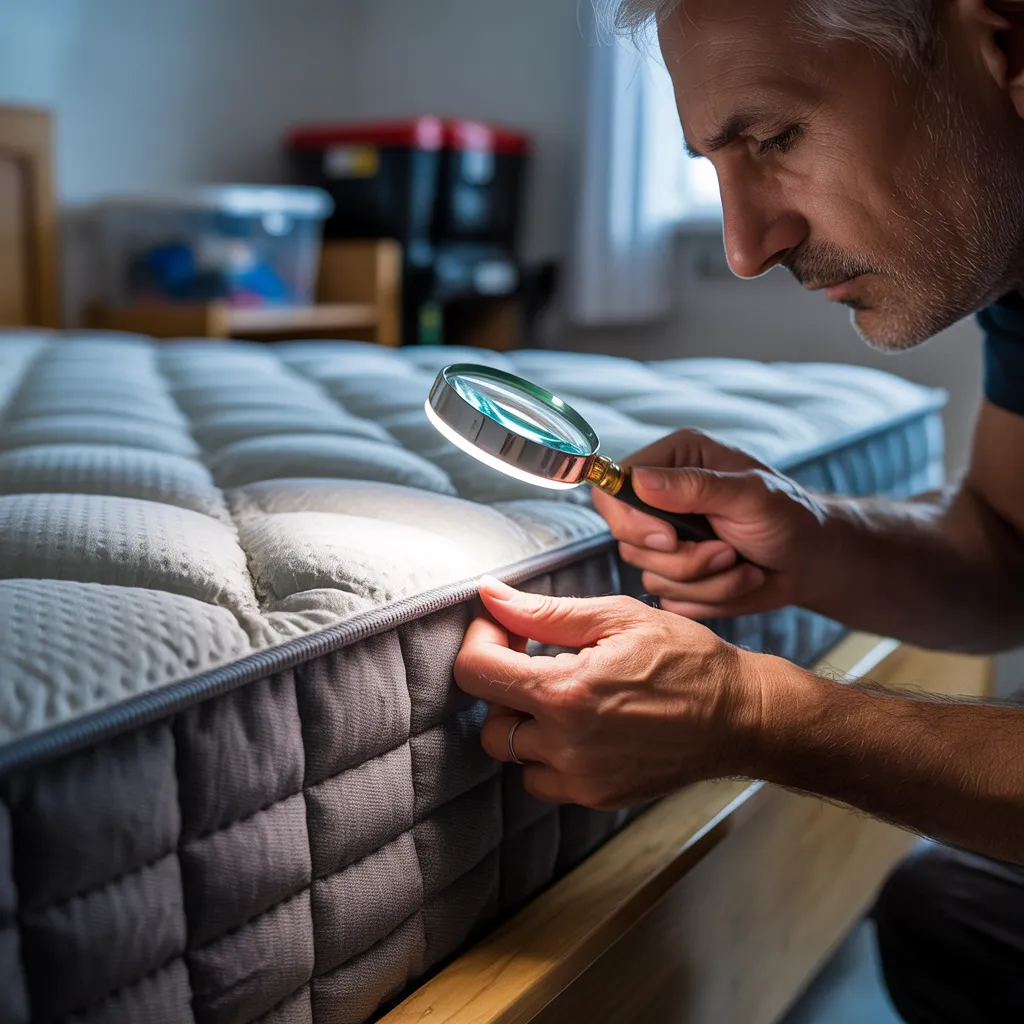
Comprehensive inspections prior to treatment are vital for successfully treating a bed bug issue. These evaluations help pinpoint the extent of the problem and determine the optimal strategy for heat treatment. Inspectors must start by assessing common hiding spots, such as mattresses, box springs, and bed frames. They should additionally examine surrounding furniture, carpets, and baseboards for evidence of bed bugs, including shed skins, fecal stains, and live insects.
Additionally, it is important to evaluate the full living space, including closets and luggage, as bed bugs can quickly infest other areas. Thorough documentation of observations is critical, as it directs the treatment plan and aids in tracking progress. To conclude, homeowners should be counseled on important preparations, such as organizing and clearing items that may compromise the treatment process. This meticulous approach ensures that the heat treatment is efficient and can greatly reduce the chances of re-infestation.
Your Complete Step-By-Step Heat Treatment Guide
Careful planning and execution are essential for the heat treatment process targeting bed bugs. Essential equipment needs to be assembled, with comprehensive pre-treatment inspection steps required to ensure success. Post-treatment follow-up measures are critical to sustaining a bed bug-free living space.
Equipment Necessary For Treatment
Effectively performing a bed bug heat treatment requires particular equipment to ensure both efficacy and safety. The main tool is a heavy-duty heating unit, capable of raising temperatures to at least 120°F (49°C) for successful pest eradication. In addition, thermal sensors are critical for tracking heat levels across different zones, ensuring uniform heat distribution. Insulated blankets are often utilized to hold heat within particular spots, while fans assist in distributing hot air to access every affected area. A moisture meter can measure humidity levels, inhibiting mold formation during the procedure. To conclude, protective gear, including gloves and masks, is crucial for safety. Collectively, these tools establish a controlled environment necessary for successful bed bug eradication.
Assessment Steps Prior to Treatment
Prior to beginning a bed bug heat treatment, a detailed inspection is critical to identifying infested areas and determining how widespread the issue is. The process involves inspecting frequently affected locations, such as mattresses, box springs, and bed frames. Inspecting furniture, baseboards, and wall cracks is also essential, as bed bugs frequently inhabit these areas. A flashlight improves the ability to see, allowing for easier detection of these insects or their droppings. Homeowners should also check personal belongings, particularly items that may have been exposed to affected zones. Recording observations aids in organizing treatment priorities. Such a comprehensive examination prepares the groundwork for successful heat treatment, ensuring that all affected areas are addressed for successful eradication.
Post-Treatment Care Tips
While thermal treatment is a highly effective technique for eliminating bed bug infestations, post-treatment follow-up is essential to guarantee long-term results. Following the treatment, occupants should conduct a detailed inspection of the treated spaces for evidence of lingering pest activity. It is recommended that you use encasements on mattresses and box springs to guard against future infestations. Regular vacuuming of floors, carpets, and furniture can assist in removing any surviving eggs or immature bugs. Installing bed bug detection devices can help identify new infestations at an early stage. Additionally, maintaining communication with pest control professionals for ongoing support and potential follow-up services is critically important. Finally, informing every member of the household on proper bed bug prevention methods can markedly reduce the likelihood of recurring infestations, ensuring that the heat treatment's benefits are sustained over time.
Common Challenges in Heat Treatment and How to Overcome Them
Thermal treatment for bed bug elimination involves several obstacles that can make the process more difficult. A significant challenge is ensuring even heat distribution across the treated space. Cool zones can permit bed bugs to remain alive, diminishing the effectiveness of the treatment. To overcome this, it is critical to deploy several heaters and carefully position temperature sensors to track conditions across various areas.
Another challenge is the possibility of damaging heat-sensitive materials, such as electronic devices and art pieces. Homeowners should be advised to take out or safeguard these belongings before proceeding with treatment.
Ultimately, proper preparation of the space is vital, as accumulated items can block airflow and impede heat distribution. Recommending extensive cleaning and organizing ahead of treatment can reduce this problem. By tackling these frequent obstacles, the efficiency of heat treatment for bed bug elimination can be significantly improved, guaranteeing a more favorable result.
Important Safety Advice for Your Heat Treatment Process
How can homeowners guarantee a safe and effective heat treatment for bed bugs? First, it is vital to conduct a thorough inspection of the area to identify all potential hiding spots. Residents must relocate or safeguard delicate belongings, such as electronics and artwork, that may be harmed by elevated temperatures. Securing proper ventilation during the process is critical to prevent overheating and maintain air quality.
Furthermore, utilizing properly calibrated tools can help maintain the recommended temperature range, typically between 120°F and 140°F. Property owners should steer clear of using combustible materials around the treatment area to minimize fire hazards. It is recommended to track the temperature regularly throughout the treatment to ensure it stays consistent.
Finally, wearing protective gear, such as gloves and masks, can enhance safety during the operation. By following these guidelines, homeowners can achieve a more effective and secure heat treatment experience.
How to Prevent Bed Bugs from Returning After Heat Treatment
Upon finishing a heat treatment for bed bugs, homeowners must adopt preventative actions to guard against future infestations. First, it is crucial to thoroughly clean and vacuum the treated areas, including carpets, furniture, and along baseboards. This aids in removing any remaining eggs or debris. Additionally, homeowners should look into encasing mattresses and box springs with bed bug-resistant covers to guard against new infestations. Regular inspections of bedrooms and frequent hiding locations will assist with early identification. It is also beneficial to reduce clutter, making it harder for bed bugs to discover places to hide. Moreover, applying preventive actions, such as filling cracks and gaps, can further minimize risks. Finally, maintaining communication with pest management experts can offer continuous guidance and assistance to guarantee a bed bug-free environment. Following these measures considerably increases the probability of sustained effectiveness in keeping bed bugs away.
Commonly Asked Questions
What Is the Typical Duration of Heat Treatment?
Bed bug heat treatment usually spans six to eight hours, based on the severity of the infestation and the specific methods used. Thorough monitoring guarantees consistent temperature control throughout the entire process.
Will Heat Treatment Cause Damage to My Belongings or Furniture?
Heat treatment may potentially harm delicate belongings or furniture, most notably items that are sensitive to elevated temperatures. Taking proper precautions, including removing heat-sensitive materials, is essential to reduce risks and safeguard valuable possessions throughout the process.
Are There Any Pets or Plants I Need to Worry About?
Animals and plants ought to be removed from the treated area during heat treatment, as high temperatures can be harmful to them. It is essential to safeguard their health by moving them to a cooler area in advance.
What Should I Do if Bed Bugs Reinfest My Home After Treatment?
If bed bugs return after treatment, you should get in touch with a qualified pest control specialist for additional inspection and remediation. Moreover, reviewing and improving prevention measures, like consistent cleaning and careful monitoring, can prove effective in preventing future infestations.
How Much Should You Expect to Pay for Professional Heat Treatment?
Professional heat treatment pricing generally falls from $300 to $1,500, based on the extent of the infestation and the size of the treated space. Variables like geographic location and extra services can impact the overall cost.
Comments on “Service Insights for Hiring a Bed Bug Exterminator”